Mastering Sports Broadcasting: Strategies, Challenges, and Future Trends
Introduction to Sports Broadcasting
What is Sports Broadcasting?
Sports broadcasting encompasses the transmission of sporting events via television, radio, or online platforms. It includes live coverage, commentary, pre-game and post-game shows, highlights, and analysis, catering to fans who wish to follow their favorite teams and athletes. The importance of Sports Broadcasting has grown as media consumption evolves, with audiences desiring more interactive and personalized viewing experiences.
History and Evolution of Sports Broadcasting
The origins of sports broadcasting can be traced back to the early 20th century, with radio broadcasts of major events like baseball games becoming popular. The advent of television in the 1950s transformed the landscape, offering viewers a closer and more engaging experience. Major sporting events, such as the Super Bowl, became cultural phenomena, showcasing the power of live broadcasts. In recent years, digital platforms have revolutionized how fans access content, leading to the rise of streaming services and social media as vital players in the sports broadcasting arena.
The Importance of Sports Broadcasting Today
Today, sports broadcasting holds immense significance in the global sports ecosystem. It serves as a major revenue stream for leagues and teams through advertising, sponsorships, and broadcasting rights. Furthermore, it plays a crucial role in connecting communities and enhancing fan engagement, offering a sense of belonging among supporters. The integration of analytics, social media interaction, and mobile access only amplifies its relevance in an increasingly digital world.
Key Components of Sports Broadcasting
Technology in Sports Broadcasting
Technology is at the forefront of sports broadcasting, enabling unparalleled experiences for viewers. High-definition broadcasting, 4K resolution, and immersive audio technology offer crisp and engaging presentations of events. Innovations such as slow-motion replays, augmented reality, and virtual graphics enhance storytelling and provide audiences with insights they wouldn’t experience in-person. Moreover, real-time stats and data integration keep fans informed and engaged throughout broadcasts.
Roles in Sports Broadcasting Teams
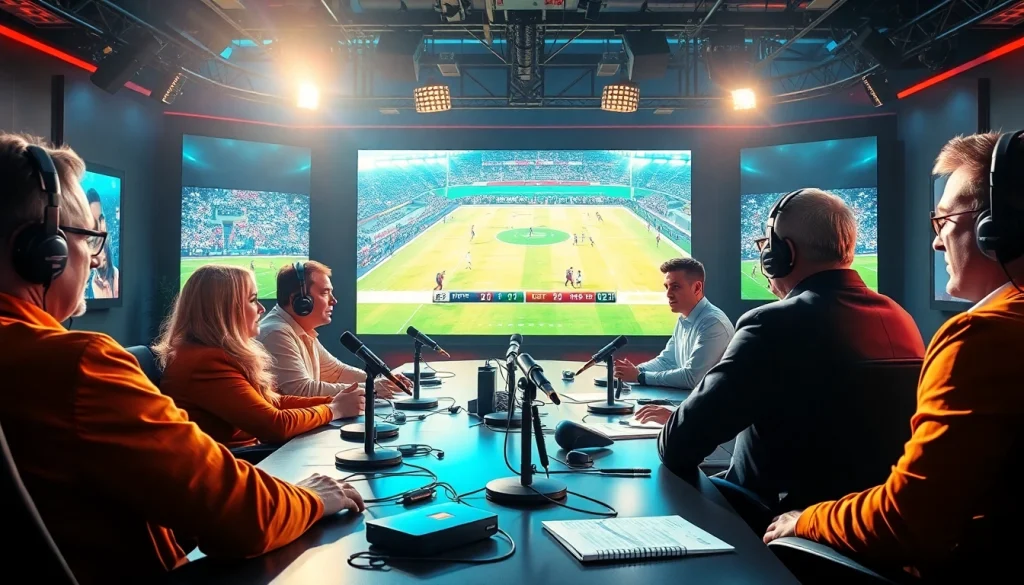
A successful sports broadcast relies on a diverse team of professionals. Key roles include play-by-play commentators who narrate the event; analysts who provide detailed insights; producers who manage the logistics of the broadcast; and camera operators who capture the action from various angles. Each member plays a vital part in creating a seamless viewing experience, demonstrating the importance of collaboration within these broadcasting teams.
Types of Sports Broadcasting Formats
Sports broadcasting takes various formats, catering to different audience preferences and consumption habits. Live broadcasts are immediate and intense, providing a real-time connection to events. Recorded broadcasts, including highlights and replays, allow fans to catch up on missed action. Additionally, online streaming platforms offer a versatile alternative, often enabling customizable viewing experiences. Social media platforms further expand the types of content available, allowing fans to engage through clips, commentary, and fan discussions.
Challenges in Sports Broadcasting
Legal and Regulatory Issues
Sports broadcasters face a myriad of legal challenges, particularly concerning broadcasting rights and licensing agreements. Rights negotiations can be contentious, often involving hefty fees and complex contracts. Regulatory issues also arise, including compliance with local broadcasting laws and standards, which can vary significantly by region. This complexity requires broadcasters to remain vigilant and well-informed to navigate the ever-changing landscape.
Content Accessibility and Inclusivity
Ensuring that sports content is accessible to diverse audiences poses a significant challenge. This includes providing closed captioning for the hearing-impaired, multiple language options, and different commentary styles to attract a broad range of viewers. Moreover, increasing representation within broadcasting teams helps bring diverse perspectives, fostering inclusivity which is vital for engaging a wider audience.
Competition and Market Saturation
The sports broadcasting market is highly competitive, with numerous networks and platforms vying for viewers’ attention. Market saturation means that audiences have numerous choices, making it difficult for broadcasters to stand out. To combat this, broadcasters must continually innovate and adopt creative marketing strategies that enhance viewer experiences and increase audience loyalty.
Best Practices for Successful Sports Broadcasting
Engaging Your Audience
Engagement is paramount in sports broadcasting. Utilizing fan feedback, interactive elements like polls and Q&A sessions, and involving social media can significantly enhance audience participation. Engaging storytelling that resonates emotionally with viewers can also foster loyalty and keep audiences coming back for more. A personalized approach, focusing on fans’ preferences, can lead to higher viewer satisfaction and retention.
Using Data Analytics for Improvement
Data analytics plays a crucial role in modern sports broadcasting. By analyzing viewer preferences, ratings, and behavior, broadcasters can fine-tune their strategies and content offerings. Metrics such as viewer engagement levels during different segments of a broadcast indicate which aspects resonate most with audiences. Using these insights allows teams to optimize future broadcasts and create content that aligns with their viewers’ desires.
Balancing Entertainment and Information
Successful sports broadcasting strikes the right balance between delivering information and entertaining audiences. While knowledgeable commentary and analysis are essential, incorporating entertainment elements, such as humor and storytelling, helps maintain viewer interest. This balance caters to both die-hard fans seeking in-depth analysis and casual viewers looking for an enjoyable viewing experience.
The Future of Sports Broadcasting
Emerging Technologies
Emerging technologies are poised to reshape sports broadcasting significantly. Virtual reality (VR) and augmented reality (AR) will provide immersive experiences that allow viewers to experience events from alternative perspectives. Additionally, advancements in machine learning and AI will enable more personalized content recommendations and enhanced analytics for better viewer engagement. As technology continues to evolve, broadcasters must adapt to maintain their relevance and appeal.
Trends Shaping Sports Broadcasting
Several trends are currently shaping the future of sports broadcasting. Increased viewer demand for flexibility has led to a rise in streaming services that allow fans to watch games on their terms. E-sports’ growth has also introduced new audiences and viewing habits. Moreover, the integration of real-time statistics, interactive graphics, and social platforms fosters enhanced fan engagement, setting new standards for how content is delivered and consumed.
Predictions for the Next Decade
Over the next decade, it is expected that sports broadcasting will become increasingly personalized and data-driven. Innovations such as AI-powered commentary, virtual stadium experiences, and the rise of interactive broadcasts will create new opportunities for engagement. Personal connections between fans and their favorite teams will only deepen, driven by augmented experiences. As these technologies develop, they will redefine how audiences interact with sports content.
FAQs
What is the primary role of a sports broadcaster?
Sports broadcasters inform and entertain viewers with live updates, analysis, and commentary on sporting events.
How has technology changed sports broadcasting?
Technological advancements have improved broadcast quality, enabled multi-platform access, and enhanced viewer engagement through interactivity.
What are the common careers in sports broadcasting?
Common roles include sports analysts, play-by-play announcers, production team members, and digital content creators.
What factors influence sports broadcasting ratings?
Ratings are influenced by the sport’s popularity, team performance, time slot, and promotion strategies.
How do sports broadcasters ensure inclusivity?
They provide features like closed captioning, diverse commentary, and multilingual broadcasts to engage a broad audience.